
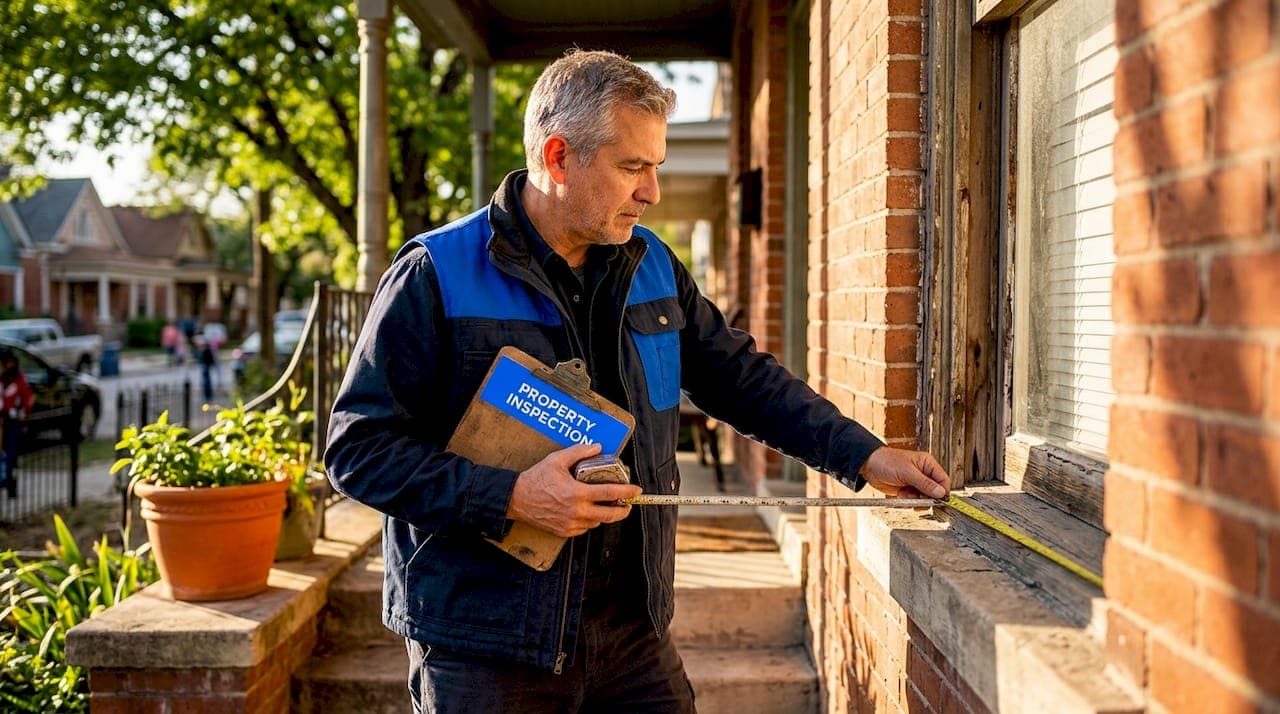
Owning or managing a heritage rental property in San Antonio comes with rewards that standard rentals simply cannot match. But those same character-filled structures carry a distinct risk: when preventive maintenance rental property heritage owners rely on is neglected, repair bills do not just grow. They multiply. Old plumbing corrodes quietly. HVAC systems in aging buildings work harder in South Texas heat. Historic woodwork and masonry absorb moisture in ways modern construction does not. The landlords who protect their investment and their tenants are the ones who stop problems before they start, not after a tenant calls at midnight with water pouring through the ceiling.
Table of Contents
- Key takeaways
- Preventive maintenance for heritage rental properties: tools, materials, and legal requirements
- Your preventive maintenance schedule, broken down by frequency
- Common challenges and how to avoid expensive mistakes
- What you gain from a structured maintenance plan
- My honest take on heritage property maintenance
- How Apexmakereadyservices supports San Antonio landlords
- FAQ
Key takeaways
| Point | Details |
|---|---|
| Schedule by frequency | Follow monthly, quarterly, semi-annual, and annual task cycles to keep every system in check year-round. |
| Know your legal obligations | Texas law and federal HUD rules require specific smoke and CO alarm placement and documented maintenance records. |
| Budget with the 1% rule | Allocate roughly 1% of your property's value annually to cover consistent upkeep and avoid emergency cost spikes. |
| Document everything | Written technician reports and unit-level maintenance history reduce disputes and protect you legally. |
| HVAC is your top priority | Regular filter changes and tune-ups cut service tickets significantly and lower energy bills in San Antonio's humid climate. |
Preventive maintenance for heritage rental properties: tools, materials, and legal requirements
Before you build a maintenance schedule, you need the right foundation. That means having the proper tools on hand, understanding what the law requires, and setting a realistic budget.
Tools and materials to keep on site
A basic preventive maintenance kit for a heritage rental property should include:
- HVAC filters in the correct sizes for each unit (replace monthly or per manufacturer specs)
- Smoke and CO detector testers and replacement batteries
- Plumbing inspection tools: a moisture meter, flashlight, and drain snake
- GFCI outlet testers for electrical safety checks
- A ladder and gutter cleaning tools for quarterly exterior work
- A dryer vent cleaning brush kit
- A written maintenance log or digital property management software
Heritage structures often have non-standard dimensions, so keep a record of exact filter sizes, fixture specs, and any custom parts the property requires. Ordering the wrong part for a 1920s bungalow costs time you do not have.
Legal compliance you cannot skip
Texas law is specific about landlord responsibilities. Texas Property Code mandates that landlords install smoke alarms in each bedroom, outside sleeping areas, and on every level of the rental unit before a tenant moves in. Landlords handle installation and repair. Tenants handle minor upkeep during their occupancy, such as replacing batteries.
If your heritage property participates in any federally assisted housing program, federal HUD rules add another layer. Hardwired smoke alarms must be installed on each level and within 21 feet of sleeping area doors, effective April 2026. These are not suggestions. Non-compliance creates serious liability exposure.
Budgeting for heritage upkeep
The 1% budgeting rule is a reliable starting point: set aside roughly 1% of your property's value each year for maintenance. For a $300,000 heritage property, that is $3,000 annually. Heritage properties may warrant budgeting toward the higher end of that range, closer to 1.5%, because aging systems and original materials cost more to service than modern equivalents.
| Maintenance category | Estimated annual cost range |
|---|---|
| HVAC servicing and filters | $400 to $800 |
| Plumbing inspections and minor repairs | $300 to $600 |
| Electrical and safety system checks | $200 to $400 |
| Roof and exterior inspections | $300 to $700 |
| Pest control and moisture management | $200 to $500 |
Your preventive maintenance schedule, broken down by frequency
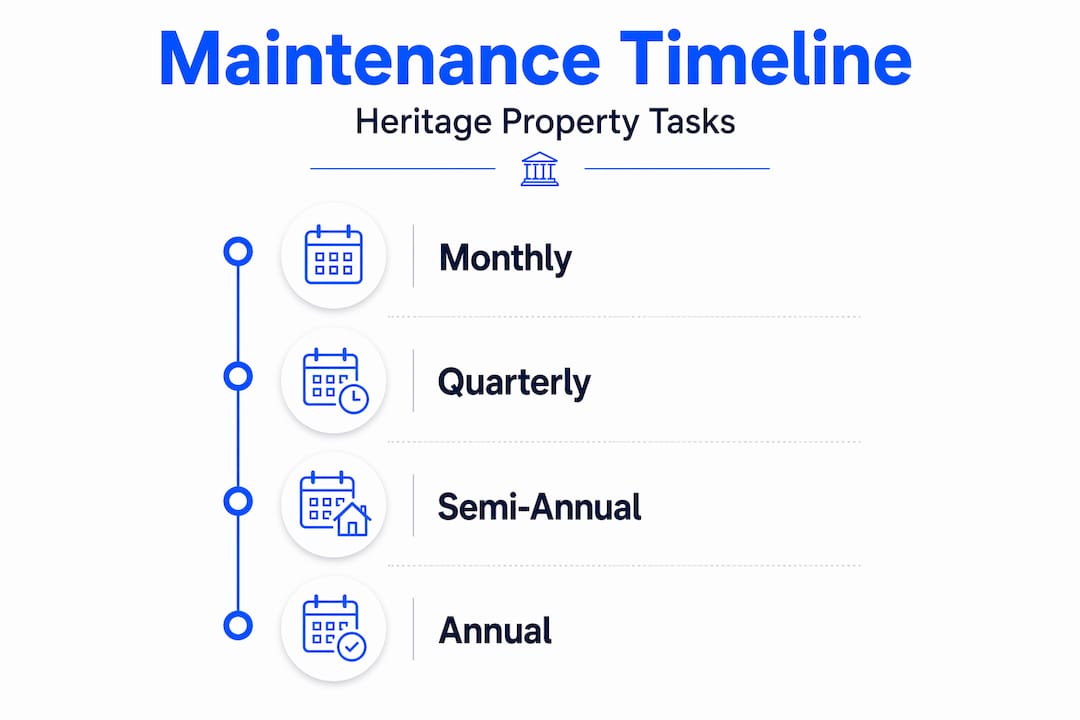
A structured maintenance schedule covering monthly, quarterly, semi-annual, and annual tasks is the backbone of any serious rental property maintenance checklist. Here is how to build one that works for San Antonio heritage properties specifically.
Monthly tasks
- Replace or inspect HVAC filters. HVAC filter neglect is the leading cause of preventable system failures. Set a calendar reminder and do not skip it.
- Test smoke and CO detectors and log the results. Monthly testing and documentation reduces fire risk and strengthens your legal position if a dispute arises.
- Check for plumbing leaks under sinks, around toilets, and at water heater connections.
- Flush HVAC condensate drain lines. In San Antonio's humid climate, monthly condensate flushing prevents water damage and costly system shutdowns that are especially destructive in heritage structures with original wood floors and plaster walls.
- Send tenants a brief maintenance check-in message. Ask if anything needs attention. Early reporting prevents small issues from becoming expensive ones.
Quarterly tasks
- Clean gutters and downspouts. Heritage rooflines often have decorative elements that trap debris faster than modern roofs.
- Clean dryer vents to reduce fire risk and improve appliance efficiency.
- Inspect all GFCI outlets and electrical panels for signs of wear or tripping.
- Walk the exterior and look for cracks in masonry, peeling paint, or wood rot. Heritage materials are more vulnerable to San Antonio's temperature swings.
Semi-annual tasks
Schedule a professional HVAC tune-up twice a year. This is non-negotiable in South Texas. A technician will check refrigerant levels, clean coils, and inspect the blower motor. Pair this with a full plumbing inspection to catch slow leaks before they become structural problems.
Pro Tip: Schedule your semi-annual HVAC service in March and September. You beat the summer rush, get faster appointment windows, and catch problems before peak heat or the first cold snap hits.
Annual tasks
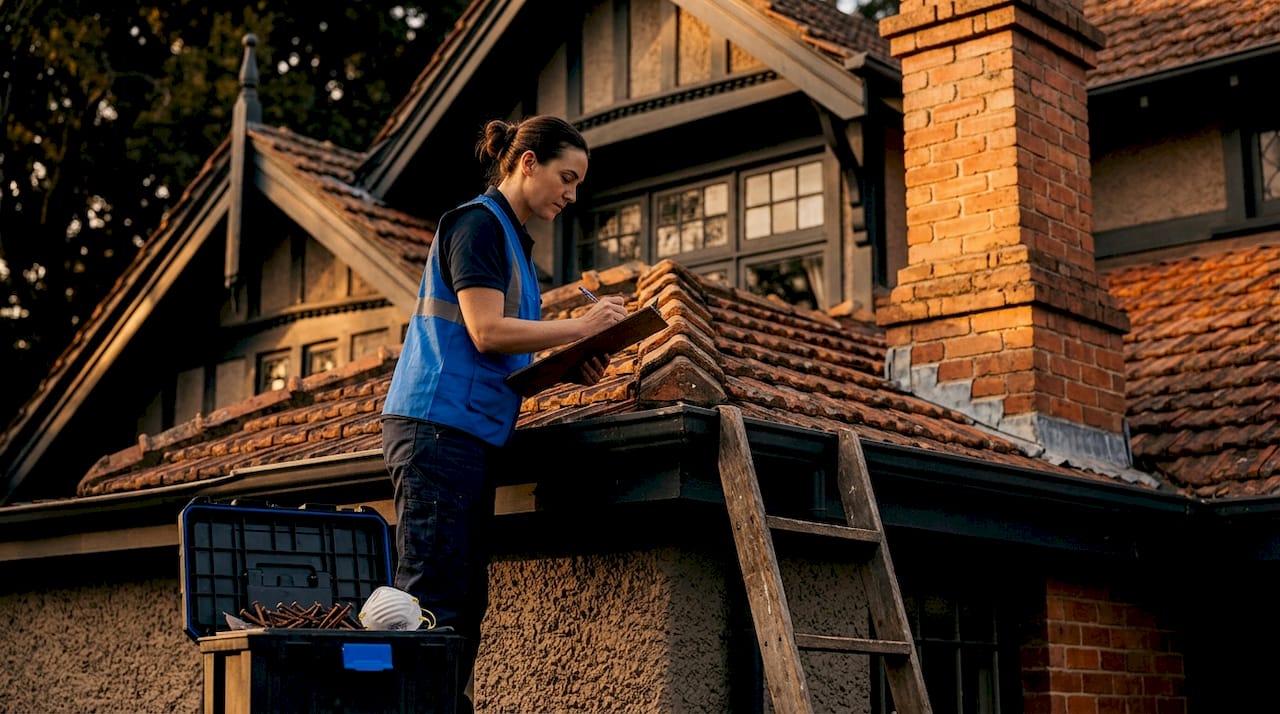
Conduct a full roof and exterior inspection every year. Heritage roofing materials like clay tile or wood shake need specialized assessment. Have all appliances serviced or tested, replace smoke detectors that are more than 10 years old, and do a full property walkthrough with your tenant present. This walkthrough is also your opportunity to update your written maintenance log and catch anything that slipped through during the year.
Common challenges and how to avoid expensive mistakes
Even landlords with good intentions run into problems. Most of them are preventable.
HVAC confusion between landlords and tenants
One of the most common sources of preventable failures is unclear responsibility for filter changes. If your lease does not specify who changes the HVAC filter, it often does not get done. Clearly defining maintenance responsibilities in a lease addendum prevents this gap. Some landlords supply filters directly to tenants and track replacements themselves. That approach works well for heritage properties where the wrong filter size can cause real damage.
Moisture and pest control in heritage structures
Heritage buildings breathe differently than modern construction. Older wood framing, stone foundations, and original plaster walls absorb and release moisture in ways that create ideal conditions for mold and pests. Inspect crawl spaces and attics quarterly. Use a moisture meter to check walls in bathrooms and kitchens. Address any reading above 16% immediately.
- Seal gaps around pipes, windows, and doors every spring and fall
- Use vapor barriers in crawl spaces if not already installed
- Schedule pest control visits at least twice a year, more if the property has a history of termite activity
Breaking the reactive maintenance cycle
Reactive maintenance is expensive. A single emergency HVAC call in August in San Antonio can cost three to five times what a scheduled tune-up would have. Proactive HVAC maintenance reduces service tickets by approximately 38% and delivers 15 to 20% energy savings. Those numbers add up fast across a portfolio of heritage rentals.
Pro Tip: Use a free or low-cost property management app to set recurring maintenance reminders. Apps like this remove the "I forgot" excuse and create a digital paper trail that protects you in any tenant dispute.
Documentation as your best defense
Written maintenance records serve as your primary defense in habitability disputes. After every technician visit, collect a written report and file it by unit. Keep records through the entire tenancy and for at least two years after a tenant moves out. If a tenant claims you ignored a plumbing issue, your documentation tells the real story.
What you gain from a structured maintenance plan
The benefits of preventive maintenance go well beyond avoiding repair bills. Here is what landlords who commit to a long-term rental maintenance plan actually see.
"Switching from reactive to preventive maintenance is the single most effective thing a landlord can do to protect both the property and the tenant relationship." — Property management industry consensus, supported by structured maintenance research
| Benefit | What it means for your property |
|---|---|
| Fewer emergency repairs | Proactive servicing reduces breakdowns and after-hours repair calls significantly. |
| Lower tenant turnover | Tenants stay longer when maintenance is reliable and responsive. |
| Energy savings | Regular HVAC maintenance cuts energy use by 15 to 20% annually. |
| Extended system lifespan | Well-maintained systems last 30 to 50% longer than neglected ones. |
| Legal protection | Documented compliance with smoke alarm and safety laws reduces liability exposure. |
High-performing landlords use proactive tenant communication and technology together. When tenants feel heard and know who to contact, they report issues early. Early reporting is the cheapest form of preventive maintenance there is.
My honest take on heritage property maintenance
I have worked with enough San Antonio landlords to know that the ones who struggle most are not the ones who lack money. They are the ones who lack a system. Heritage properties punish the disorganized. One missed gutter cleaning leads to a fascia board rotting out. One ignored HVAC filter leads to a coil freeze in August. One undocumented smoke detector inspection leads to a legal headache that no landlord wants.
What I have learned is that the biggest mindset shift is treating maintenance as a scheduled operating cost, not a surprise expense. The landlords who budget 1 to 1.5% of property value annually and stick to their maintenance calendar rarely face the $8,000 emergency repair calls. The ones who skip the schedule do.
I also think most landlords underestimate how much tenant communication matters. A quick monthly message asking if anything needs attention costs nothing. It signals to your tenant that you are engaged. That signal alone reduces the likelihood of a tenant letting a small problem fester until it becomes your problem.
Heritage properties in San Antonio carry real history. They deserve real care. And the landlords who give them that care tend to hold onto tenants longer, face fewer disputes, and see better long-term returns than those managing newer stock with a reactive approach.
— David
How Apexmakereadyservices supports San Antonio landlords
Managing preventive maintenance across heritage rental properties is a serious operational commitment. Apexmakereadyservices works directly with San Antonio property managers and landlords to handle the tasks that require professional hands. From HVAC servicing and plumbing inspections to full property restoration services for properties with deferred maintenance, the team brings the tools, documentation practices, and local knowledge that heritage properties demand.
If you are ready to move from reactive repairs to a structured maintenance program, explore the full range of professional maintenance services Apexmakereadyservices offers. Every project comes with dependable communication, quality workmanship, and the kind of follow-through that keeps your property compliant, your tenants satisfied, and your repair costs where they belong.
FAQ
What is preventive maintenance for heritage rental properties?
Preventive maintenance for heritage rental properties means scheduling regular inspections, servicing, and repairs before systems fail. It covers HVAC, plumbing, electrical, safety systems, and the exterior elements unique to older structures.
How often should HVAC filters be changed in a heritage rental?
HVAC filters should be changed monthly in most San Antonio heritage rentals. Regular filter changes reduce service tickets by approximately 38% and lower energy costs by 15 to 20%.
What smoke alarm rules apply to rental properties in Texas?
Texas Property Code requires landlords to install smoke alarms in each bedroom, outside sleeping areas, and on every level of the unit before a tenant moves in. Federal HUD rules add hardwired alarm requirements for federally assisted properties.
How much should I budget for heritage rental property maintenance?
Budget between 1% and 1.5% of your property's value annually. For a $300,000 property, that is $3,000 to $4,500 per year, covering scheduled servicing, inspections, and minor repairs across all systems.
Why does documentation matter in rental property maintenance?
Written technician reports and unit-level maintenance logs serve as your primary defense in habitability disputes. Keeping records through the tenancy and for two years after move-out protects landlords from costly legal challenges.