
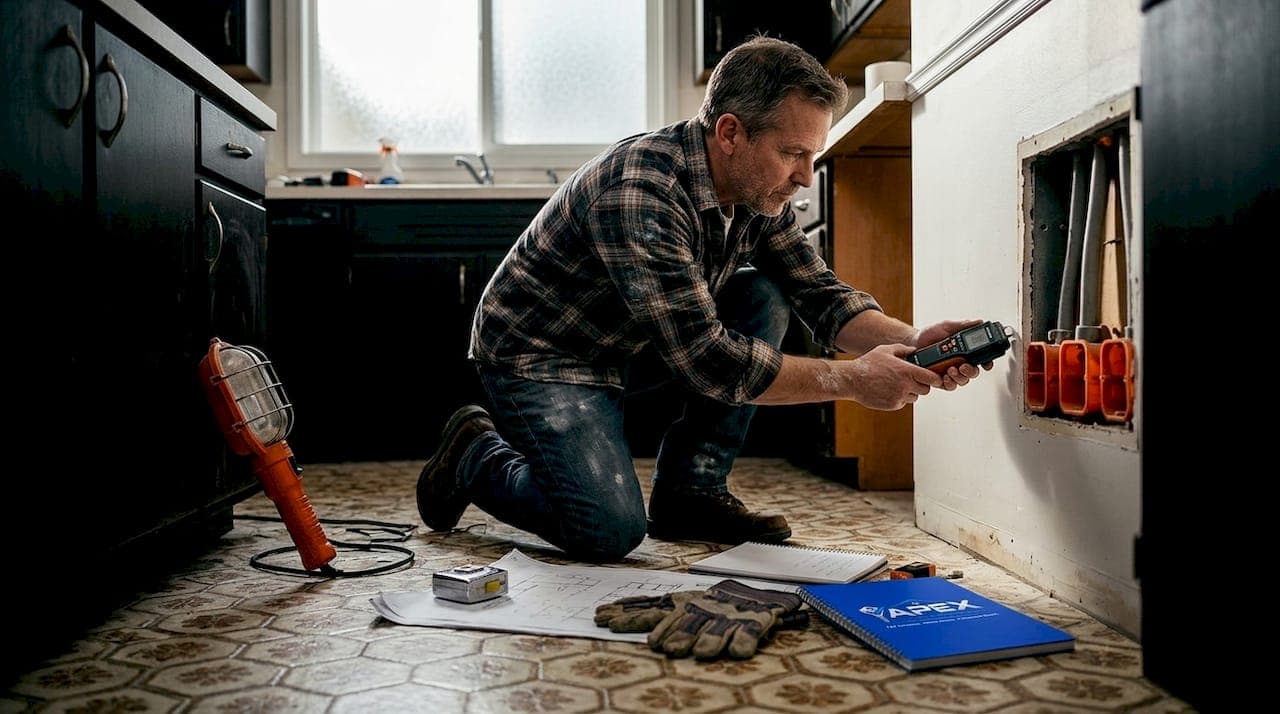
If you own or manage property in Hollywood Park, choosing the right restoration approach without seeing real examples first is like buying a house sight unseen. The property restoration examples Hollywood Park owners encounter in listings and local projects tell a much richer story than any brochure. This article breaks down two detailed, real-world Hollywood Park home renovations, gives you a side-by-side comparison, and walks you through a practical framework for evaluating restoration services Hollywood Park properties actually need. Whether you are dealing with aging systems, water damage, or a full gut renovation, these examples will give you a concrete starting point.
Table of Contents
- Key takeaways
- 1. Key criteria for evaluating property restoration examples in Hollywood Park
- 2. Example 1: Tudor-style estate restoration in Hollywood Park
- 3. Example 2: Full renovation of a mid-century Hollywood Park estate
- 4. Side-by-side comparison of Hollywood Park restoration examples
- 5. Recommendations for choosing your restoration approach
- What I have learned from watching Hollywood Park restorations up close
- How Apexmakereadyservices handles Hollywood Park property restoration
- FAQ
Key takeaways
| Point | Details |
|---|---|
| Use real examples as benchmarks | Reviewing documented Hollywood Park home renovations helps you set realistic scope, budget, and timeline expectations. |
| Documentation defines quality | Projects with moisture mapping and dry standard verification avoid costly callbacks and insurance disputes. |
| Match scale to property age | Older Hollywood Park properties often require full system replacements, not just cosmetic upgrades. |
| Sustainability matters locally | Hollywood Park properties must align with Texas energy standards and local sustainability requirements during renovation. |
| Professional crews reduce risk | Single-source restoration teams with in-house crews deliver more consistent documentation and fewer delays. |
1. Key criteria for evaluating property restoration examples in Hollywood Park
Before you draw inspiration from any restoration project, you need a checklist that separates genuinely successful work from cosmetic fixes that mask deeper problems. Hollywood Park properties range from mid-century ranch homes to large estate-style builds, and the criteria for evaluating restoration quality shifts depending on what you are working with.
Structural and mechanical integrity should be your first filter. Any example worth studying will show documented upgrades to plumbing, electrical panels, HVAC systems, and foundation work. If a before-and-after property restoration only highlights new countertops and fresh paint, that is a red flag. The bones of the property matter far more than the finishes.
Energy efficiency improvements are increasingly non-negotiable. Hollywood Park's sustainability standards mean that renovations should include upgraded insulation, energy-efficient windows, and modern HVAC equipment. Projects that skip these upgrades often face compliance issues and higher operating costs down the road.
Here is what a thorough evaluation checklist looks like:
- Plumbing and electrical system documentation (permits pulled, inspections passed)
- HVAC replacement or upgrade records with equipment specs
- Insulation type and R-value documentation (spray foam vs. batt)
- Foundation inspection reports and any leveling work completed
- Moisture mapping records for any water-related restoration
- Energy efficiency upgrades with before-and-after utility cost projections
- Local building code compliance certificates
Pro Tip: Ask any restoration contractor for their closeout file. A legitimate project will have daily moisture readings, baseline measurements, and a final dry standard verification. If they cannot produce this, the drying phase may have been cut short.
Design and functional upgrades matter too, but they should come after structural work is confirmed. Layout changes, room additions, and custom finishes add value only when the underlying systems can support them. Projects that document every phase, from demolition through final walkthrough, give you the clearest picture of what was actually done and why.
2. Example 1: Tudor-style estate restoration in Hollywood Park
One of the most detailed property restoration case studies available in Hollywood Park involves a large Tudor-style estate at 232 Meadowbrook Dr. This project is a strong benchmark for anyone considering a full property restoration because it covers virtually every system in the home.
The 232 Meadowbrook Dr renovation included the following scope:
- Complete replacement of plumbing, electrical, and HVAC systems
- Foundation leveling with documented structural repairs
- Spray foam insulation throughout for superior thermal performance
- Timber framing details preserved and integrated with modern finishes
- Custom lighting design and high-end interior finishes
- Expanded living areas and dedicated guest accommodations
- Custom exterior work maintaining the Tudor architectural character
What makes this example particularly useful for property owners is the combination of structural depth and design quality. The foundation leveling alone represents the kind of work that many renovation projects skip because it is invisible to buyers, yet it is the single most important factor in long-term structural stability.
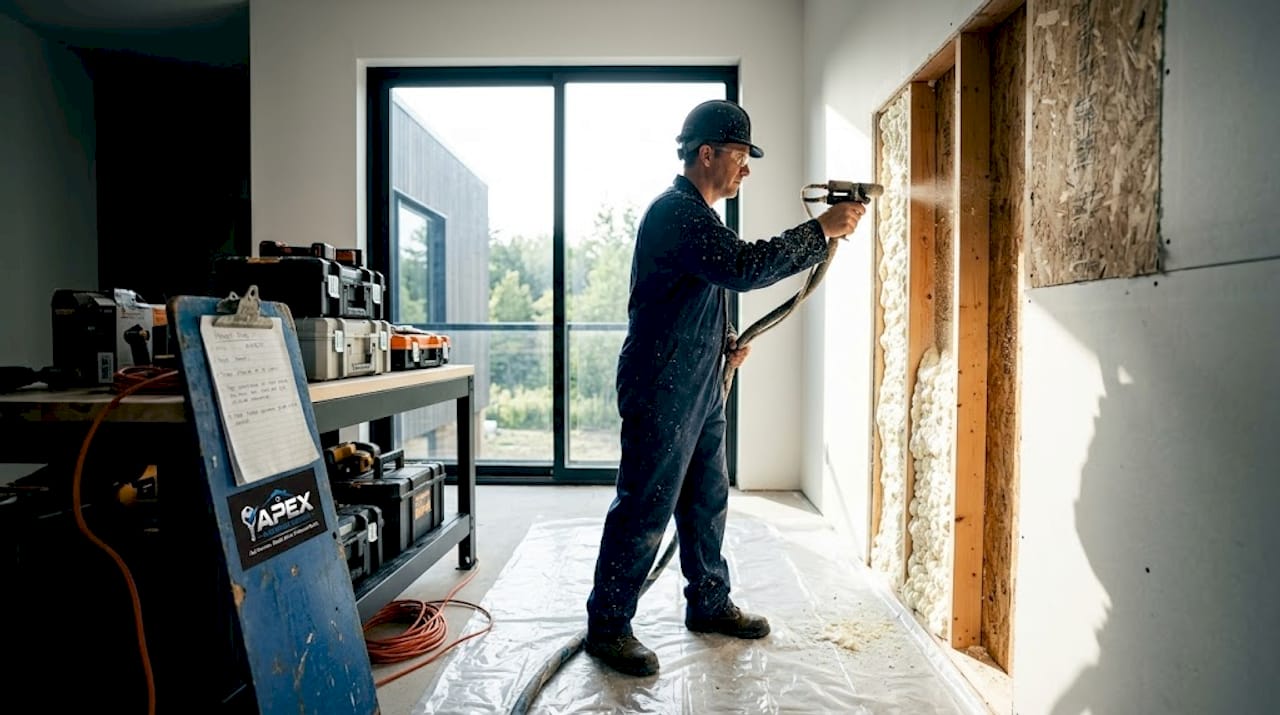
The spray foam insulation choice is worth noting specifically. Unlike traditional batt insulation, spray foam creates an air seal in addition to thermal resistance. For a large estate in the San Antonio heat, this translates directly into lower cooling costs and better moisture control, which reduces the risk of future water damage restoration needs.
The custom exterior finishes preserved the property's architectural identity while bringing it fully up to current standards. That balance between historical character and modern performance is exactly what successful Hollywood Park home renovations achieve at the highest level.
3. Example 2: Full renovation of a mid-century Hollywood Park estate
The second strong example of residential property upgrades in Hollywood Park comes from 118 Tiger Tail, a property that underwent a complete rebuild rather than a selective renovation. This project demonstrates what a full-scale home restoration project looks like when the goal is both comfort and long-term durability.
The 118 Tiger Tail renovation included:
- Completely rebuilt framing with new structural members throughout
- New plumbing, electrical, and HVAC installations from scratch
- Spray foam insulation for energy efficiency and moisture control
- Modern chef's kitchen with premium appliances and custom cabinetry
- Spa-style master suite with high-end fixtures
- Separate accessory guest house for flexible living arrangements
- Tankless water heaters replacing traditional tank systems
- Builder warranty backing all workmanship
The tankless water heater upgrade deserves specific attention. Traditional tank water heaters are one of the most common sources of water damage in older homes, both from slow leaks and catastrophic failures. Replacing them with tankless systems eliminates that risk while also reducing energy consumption by 20 to 30 percent compared to conventional units.
Pro Tip: When reviewing examples of property restoration for a mid-century property, pay close attention to whether the framing was repaired or fully replaced. Partial framing repairs on homes built before 1980 often miss hidden rot or pest damage. A full rebuild, like 118 Tiger Tail, eliminates that uncertainty entirely.
The accessory guest house addition reflects a growing trend in Hollywood Park home renovations: flexible living spaces that serve multiple purposes. Whether used for extended family, rental income, or a home office, this kind of addition adds measurable value and demonstrates the kind of forward-thinking scope that separates good restorations from great ones.
4. Side-by-side comparison of Hollywood Park restoration examples
Seeing both projects together makes the differences and similarities much clearer. Use this table to evaluate which approach aligns with your own property's needs.
| Feature | 232 Meadowbrook Dr | 118 Tiger Tail |
|---|---|---|
| Property style | Tudor estate | Mid-century estate |
| Renovation scope | Full system upgrade | Complete rebuild |
| Framing | Preserved with repairs | Fully replaced |
| Insulation | Spray foam throughout | Spray foam throughout |
| HVAC | Full replacement | New installation |
| Kitchen | Custom luxury finishes | Modern chef's kitchen |
| Guest accommodations | Expanded living areas | Separate guest house |
| Water heating | Updated systems | Tankless water heaters |
| Warranty | Not specified | Builder warranty included |
| Energy efficiency focus | High (insulation, HVAC) | High (tankless, insulation) |
| Structural work | Foundation leveling | Full framing rebuild |
Both projects share a commitment to spray foam insulation and full mechanical system replacement. The key difference is in structural approach. Meadowbrook preserved and repaired existing framing, while Tiger Tail started from scratch. For properties with significant age or unknown structural history, the Tiger Tail approach eliminates guesswork entirely.
5. Recommendations for choosing your restoration approach
Once you have reviewed real examples of property restoration, the next step is matching what you have seen to your own property's condition and your goals. These recommendations are drawn directly from what the best successful restorations Hollywood Park has produced actually have in common.
-
Assess your property's age and structural history first. Homes built before 1985 in Hollywood Park are likely to have outdated electrical panels, galvanized plumbing, and original HVAC equipment. A cosmetic renovation on top of failing systems is money poorly spent.
-
Prioritize structural and mechanical work over aesthetics. Both examples above invested heavily in systems before finishes. Follow that sequence. A beautiful kitchen in a house with a compromised foundation loses value fast.
-
Require documented drying standards for any water-related work. Effective moisture documentation requires baseline readings, daily monitoring, and a formal closeout verification. Projects that skip this step risk mold growth and failed insurance claims.
-
Align with local regulations. Texas building codes and local sustainability requirements affect insulation choices, HVAC specifications, and energy efficiency standards. Work with contractors who pull permits and document compliance.
-
Match restoration scale to your budget honestly. A partial renovation on a property that needs a full rebuild often costs more in the long run. The Tiger Tail project's builder warranty is a direct result of doing the work completely rather than selectively.
-
Use professional restoration services with in-house crews. Certified crews managing projects from emergency response through final walkthrough consistently deliver better documentation and fewer delays than subcontracted teams.
The most expensive restoration mistake is not the one you make during construction. It is the one you discover two years later because the drying phase was never properly closed out.
What I have learned from watching Hollywood Park restorations up close
I have reviewed dozens of restoration projects in the San Antonio area, and the pattern that separates the ones that hold their value from the ones that generate callbacks is almost always documentation. Not design choices. Not material quality. Documentation.
Missing closeout verification is the single most common failure point I see in water-related restoration work. Contractors run equipment, things look dry visually, and they close out the job. Then six months later, the homeowner finds mold behind a wall because the materials never actually reached dry standard. That is not a materials problem. It is a process problem.
The two Hollywood Park examples in this article are exceptional precisely because they represent the opposite of cutting corners. Full system replacements, documented structural work, builder warranties. That level of rigor is what you should expect from any restoration services Hollywood Park contractor you hire.
My honest advice: do not let a contractor start a restoration project without showing you their documentation process first. Ask what their restoration process looks like from day one through closeout. If they cannot explain it clearly, find someone who can.
— David
How Apexmakereadyservices handles Hollywood Park property restoration
Apexmakereadyservices brings the same level of documented, full-scope restoration work to Hollywood Park properties that the best local examples demonstrate. From water damage and mold remediation to full reconstruction, painting, drywall, plumbing, HVAC, and flooring, the team handles every phase with in-house crews who stay accountable from start to finish. Every project follows a documented standard make-ready process that meets local code requirements and keeps property managers informed at every step. If you are ready to move from inspiration to action, explore the full range of restoration and turnover services available for Hollywood Park and surrounding San Antonio communities.
FAQ
What counts as a full property restoration in Hollywood Park?
A full property restoration replaces or upgrades all major systems, including plumbing, electrical, HVAC, insulation, and structural components, rather than addressing only cosmetic issues. The Hollywood Park examples at 232 Meadowbrook Dr and 118 Tiger Tail both represent this standard.
Why does moisture documentation matter in restoration projects?
Proper moisture documentation includes baseline readings, daily monitoring, and a dry standard closeout verification. Without it, materials may appear dry while retaining enough moisture to grow mold, leading to costly repairs and insurance disputes months later.
How do I know if my Hollywood Park property needs a full rebuild or a targeted renovation?
Properties built before 1985 with unknown structural history, outdated electrical panels, or galvanized plumbing typically benefit from a full rebuild approach similar to 118 Tiger Tail. A licensed contractor's inspection will confirm whether partial repairs are sufficient or whether a complete rebuild is the more cost-effective path.
What energy efficiency upgrades are most common in Hollywood Park home renovations?
Spray foam insulation, tankless water heaters, and full HVAC replacement are the most consistent upgrades in documented Hollywood Park renovation projects. These improvements reduce operating costs and align with Texas energy standards for residential properties.
How do I evaluate a restoration contractor before hiring?
Ask for their documentation process, including how they handle moisture mapping and closeout verification. Review their permit history, check for builder warranties on past projects, and confirm they use in-house crews rather than rotating subcontractors for better accountability throughout the project.