

If you own rental property, you've probably heard the term "make ready" thrown around by property managers and contractors. But what is rental property make ready, exactly? It's not just cleaning. The make-ready process is the full preparation of a vacant unit for a new tenant, covering everything from inspection and repairs to safety compliance and final quality control. Getting it right protects your rental income, reduces vacancy time, and sets the tone for your new tenant relationship from day one.
Table of Contents
- Key takeaways
- What is rental property make ready and what it actually includes
- Timelines and workflows that keep vacancy costs low
- Safety, compliance, and why documentation is your best protection
- Cost considerations and common pitfalls
- Practical tips to get better make-ready outcomes
- My take on what owners consistently get wrong
- How Apexmakereadyservices can handle your next turnover
- FAQ
Key takeaways
| Point | Details |
|---|---|
| Make-ready is a full process | It covers inspection, repairs, cleaning, safety checks, and documentation — not just a quick clean. |
| Timeline targets matter | Most properties aim for a 5 to 10 day turnaround, with 7 days as the standard benchmark. |
| Documentation protects you legally | Detailed photos and inspection reports are your best defense against deposit disputes. |
| Costs vary significantly | Expect to spend anywhere from $1,000 to $5,000 or more depending on unit condition and scope. |
| Proactive planning reduces downtime | Starting vendor coordination 30 days before move-out keeps your vacancy window tight. |
What is rental property make ready and what it actually includes
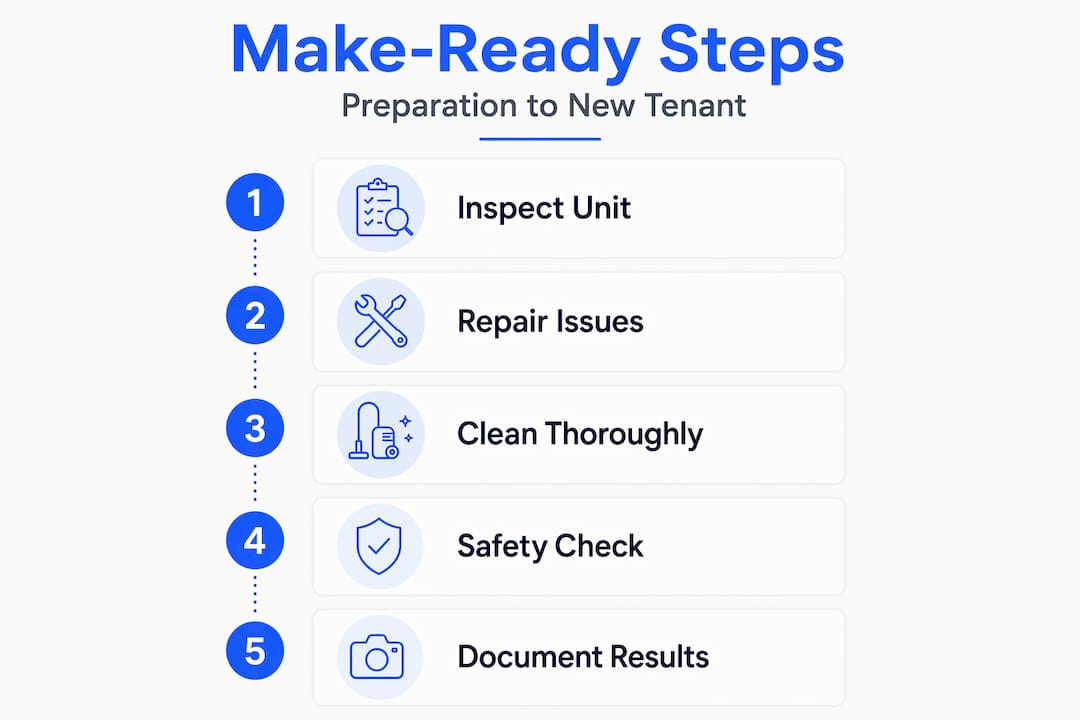
Most owners assume make-ready means hiring a cleaning crew and calling it done. The reality is more involved. Make-ready includes move-out inspection, repairs, cleaning, and safety checks to meet occupancy standards. It's a structured process, not a single task.
Here's what the full make-ready scope typically covers:
- Move-out inspection and documentation. Before any work begins, you need a room-by-room condition assessment with photos and written notes. This creates the baseline for deposit claims and repair decisions.
- Maintenance and repairs. This includes fixing anything that's broken, worn, or non-functional. Appliances, plumbing, electrical outlets, HVAC filters, door hardware, and window locks all get checked and corrected.
- Safety and compliance items. Smoke detectors, carbon monoxide detectors, and secure locks are non-negotiable. These aren't optional upgrades. They're legal requirements in most jurisdictions.
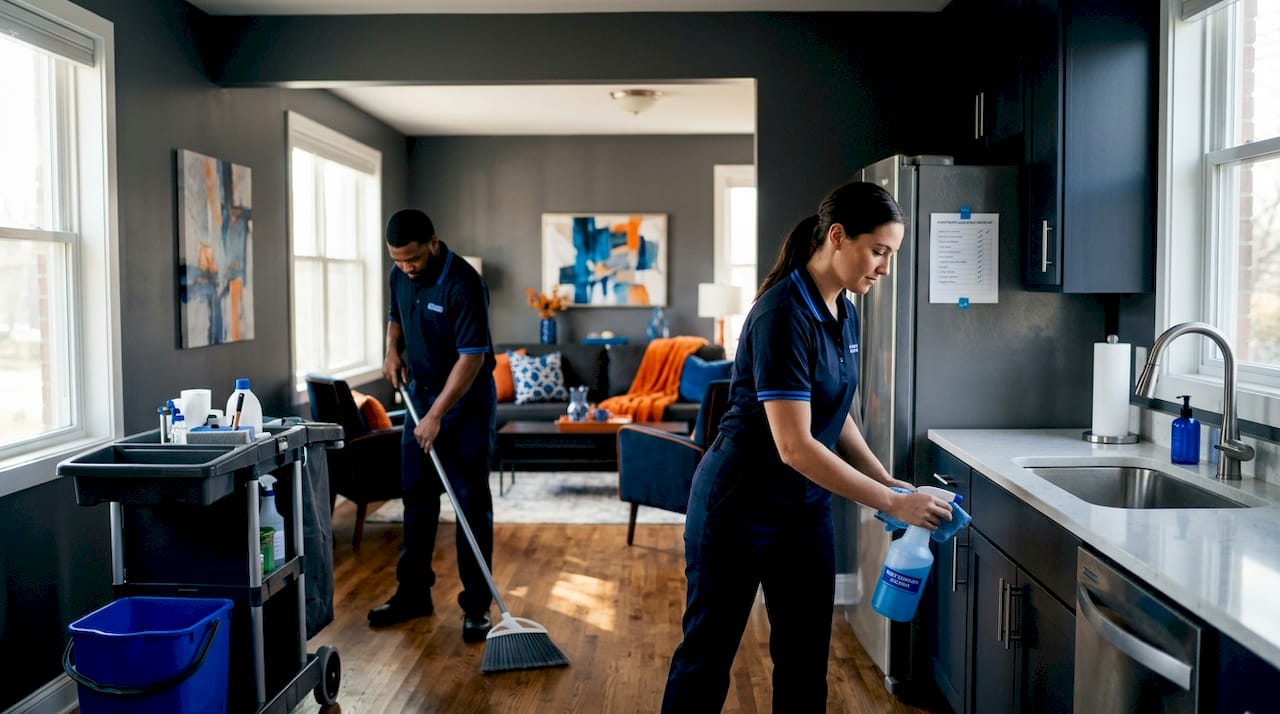
- Deep cleaning. Professional-grade cleaning covers every surface, including appliances, bathrooms, baseboards, vents, and inside cabinets. This goes well beyond what a standard cleaning service provides.
- Cosmetic updates. Fresh paint, carpet cleaning or replacement, and minor touch-ups to walls and fixtures bring the unit back to a presentable, rentable condition.
- Final quality control walkthrough. A second pass through the unit before the new tenant arrives catches anything missed and confirms the property meets your standards.
It's also worth clarifying what make-ready is not. A make-ready is not a renovation. If you're gutting a kitchen, replacing all flooring, or reconfiguring the layout, that's a restoration or renovation project. Make-ready is a proactive process focused on efficient preparation for new occupancy, using room-by-room checklists and quality control to reduce turnover time and control costs.
Pro Tip: Create a standardized make-ready checklist for each unit type you own. Consistency across turnovers speeds up the process and makes it easier to train vendors and contractors on your expectations.
Timelines and workflows that keep vacancy costs low
Time is money in rental property. Every day a unit sits vacant is a day of lost rent. Typical make-ready timelines aim for 5 to 10 days, with most property managers targeting 7 days from move-out to the next tenant's move-in.
Hitting that target requires a sequenced workflow, not just a list of tasks. Here's how a well-run rental unit turnover process looks in practice:
- Move-out inspection (Day 1). Walk the unit immediately after the tenant leaves. Document everything with photos and video. Identify all repairs needed before scheduling any vendors.
- Trash removal and junk clearance (Day 1-2). Remove any abandoned items, trash, and debris. This step must happen before cleaning crews arrive. Skipping it causes expensive delays.
- Repairs and maintenance (Days 2-5). Address all identified issues in order of complexity. Structural and plumbing repairs come first, then electrical, then cosmetic fixes. Sequencing repairs before cleaning speeds up turnover and prevents rework.
- Deep cleaning (Days 5-6). Once all repairs are complete, the cleaning crew comes in. Cleaning after repairs prevents dust and debris from undoing their work.
- Final walkthrough (Day 7). Walk the unit 24 to 48 hours before the new tenant moves in. Confirm every item on your make-ready checklist is complete and the unit is truly move-in ready.
The biggest mistake owners make is treating these steps as interchangeable. They're not. Sending in a cleaning crew before repairs are done means you'll pay for cleaning twice.
Starting preparations 30 days before the tenant's move-out date dramatically improves outcomes. Use that window to schedule vendors, order materials, and set your marketing plan so you're listing the unit before it's even finished. That overlap between finishing work and actively marketing reduces your total vacancy window.
Pro Tip: Send your tenant a move-out reminder letter 30 days in advance that outlines cleaning expectations and the inspection process. Tenants who know what's expected often leave the unit in better condition, which cuts your make-ready time.
Safety, compliance, and why documentation is your best protection
This is the section most owners skip over, and it's the one that creates the most legal exposure. Safety and habitability compliance are more critical than cosmetic updates for make-ready success. A unit can look great and still fail legal readiness if unresolved safety issues remain.
Before any new tenant moves in, confirm the following:
- Smoke detectors are tested and operational. Replace batteries at minimum; replace the unit entirely if it's older than 10 years.
- Carbon monoxide detectors are present and functioning, especially if the unit has gas appliances or an attached garage.
- All exterior locks, deadbolts, and window locks work correctly. Rekeying between tenants is standard practice.
- All appliances included in the lease operate properly. A non-functional oven or refrigerator is a habitability issue, not just an inconvenience.
- HVAC systems are functional and filters are replaced.
"Units can appear cosmetically ready but fail legal 'readiness' if unresolved safety or compliance issues remain, risking occupancy delays and liability." — Property Preparation Checklist
Documentation deserves equal attention. Well-documented inspections reduce disputes and help owners justify deposit deductions fairly. This means timestamped photos and video at move-out, written notes on every room's condition, and a signed inspection report if your state allows it.
Security deposit protections rely on consistent, high-quality photo and video documentation at move-out and after repairs to clearly demonstrate damage versus normal wear. Without that documentation, you're arguing your word against the tenant's. With it, you have evidence. Local laws also influence your timelines here. Security deposit rules vary by state and city, and landlords must act within legal timeframes to avoid disputes and potential penalties.
Cost considerations and common pitfalls
Let's talk numbers. Typical make-ready costs range from $1,000 to $5,000 or more, depending on property condition and the scope of repairs and cleaning required. Here's a realistic breakdown of what drives that range:
| Cost Category | Lower End | Higher End |
|---|---|---|
| Deep cleaning | $150 | $500+ |
| Paint and touch-ups | $300 | $1,500+ |
| Repairs and maintenance | $200 | $2,000+ |
| Flooring cleaning or replacement | $150 | $1,500+ |
| Lost rent during vacancy | Varies | Varies |
The "lost rent" line is the one owners consistently underestimate. If your unit rents for $1,500 per month and sits vacant for two extra weeks due to poor coordination, that's $750 in lost income on top of your direct make-ready expenses.
Common pitfalls that inflate costs and extend vacancy time include rushing the turnover and skipping the final walkthrough, which leads to tenant complaints and emergency maintenance calls after move-in. Poor vendor coordination, where trades show up out of sequence, is another major time waster. Inadequate cleaning that tenants notice immediately damages your reputation and increases turnover rates over time.
Pro Tip: Get at least two quotes for larger repair scopes before committing to a vendor. On a $2,000 repair job, a 15% difference in pricing is $300 back in your pocket with zero impact on quality if you vet contractors properly.
Practical tips to get better make-ready outcomes
Knowing the process is one thing. Executing it consistently is another. These practices separate owners who lose two to three weeks of rent per turnover from those who consistently hit a seven-day window.
- Start before the tenant leaves. Review the lease terms, confirm move-out date, and begin vendor outreach at the 30-day mark. Waiting until the tenant is gone costs you days.
- Prioritize safety and compliance first. If you only have budget for part of the make-ready, spend it on safety items. Cosmetic issues are negotiable. Legal liability is not.
- Invest in documentation every single time. Even if you've had the same tenant for five years and trust them completely, document the move-out condition thoroughly. The one time you skip it is the time you'll wish you hadn't.
- Coordinate trades carefully. Confirm vendor availability before the move-out date, not after. A plumber who can't show up for five days after move-out adds five days to your vacancy.
- Balance speed with thoroughness. A unit turned in four days with substandard cleaning and skipped repairs costs more in the long run than one turned in eight days done correctly.
The rental property turnover process rewards owners who treat it as a system rather than a scramble. Build the system once, refine it after each turnover, and your vacancy windows will shrink consistently over time.
My take on what owners consistently get wrong
I've seen a lot of rental property owners treat make-ready as a cost to minimize rather than a process to optimize. That mindset is expensive. The owners who spend the least on make-ready often spend the most on tenant turnover, emergency repairs, and lost rent over the long run.
What I've learned is that the documentation piece is the most undervalued part of the entire process. I've watched landlords lose deposit disputes they should have won simply because they had no photos. The inspection takes an hour. The legal dispute takes months.
I've also noticed that vendor coordination is where most self-managing owners lose the most time. They call the plumber after move-out, wait three days for availability, then call the painter, wait two more days, and suddenly it's been two weeks. The fix is simple: build relationships with reliable tradespeople before you need them, not during a vacancy.
My honest take is this. Make-ready is not glamorous, but it is one of the highest-leverage activities in property management. A well-executed turnover protects your asset, attracts quality tenants, and keeps your income consistent. Treat it like the investment decision it is.
— David
How Apexmakereadyservices can handle your next turnover
Managing a make-ready on your own is possible. Managing it well, consistently, while coordinating multiple vendors, tracking documentation, and hitting a seven-day window is a different challenge entirely.
Apexmakereadyservices handles the full rental property preparation process for property owners and investors throughout San Antonio, Texas. From move-out inspection support and punch-list repairs to deep cleaning, painting, flooring, plumbing, and HVAC, the team covers every component of a professional make-ready under one roof. You can explore the full range of property turnover services or get details on what a standard make-ready includes for your unit type. For properties that need more than a standard turnover, Apexmakereadyservices also provides full property restoration for larger scope projects. The goal is simple: reduce your vacancy time, protect your property, and get your next tenant moved in faster.
FAQ
What does make ready mean in property management?
Make ready refers to the full process of preparing a vacant rental unit for a new tenant, including inspection, repairs, cleaning, safety checks, and documentation. It goes well beyond basic cleaning to cover everything required for legal occupancy.
How long does a rental property make ready take?
Most make-ready turnovers target 5 to 10 days, with 7 days being the standard benchmark for well-coordinated turnovers. Poorly sequenced vendor scheduling is the most common cause of delays beyond that window.
How much does a rental property make ready cost?
Make-ready costs typically range from $1,000 to $5,000 or more depending on the unit's condition, size, and the scope of repairs and cleaning required. Lost rent during vacancy adds to the true total cost.
What is the difference between make ready and renovation?
Make-ready prepares an existing unit for new occupancy through repairs, cleaning, and safety compliance. A renovation involves structural changes, major system replacements, or significant upgrades that go well beyond turnover preparation.
Why is documentation important during make ready?
Thorough move-out documentation with photos and written notes creates the evidence needed to justify security deposit deductions and protects owners in legal disputes. Without it, deposit claims are difficult to defend regardless of the actual damage.